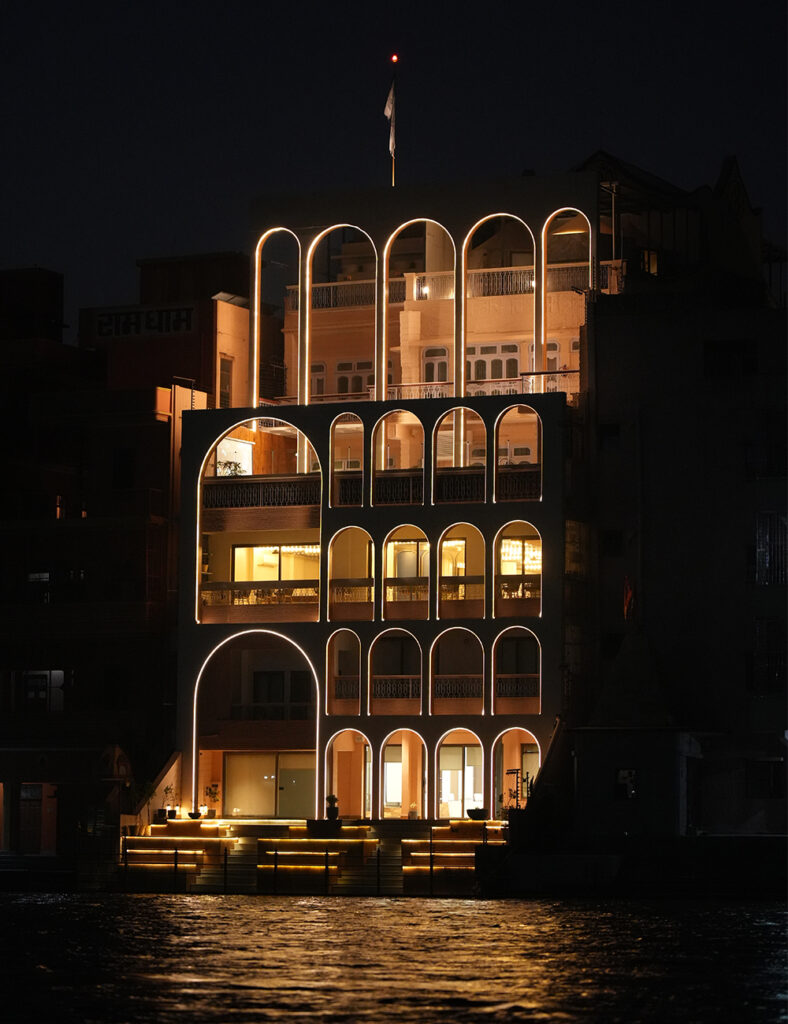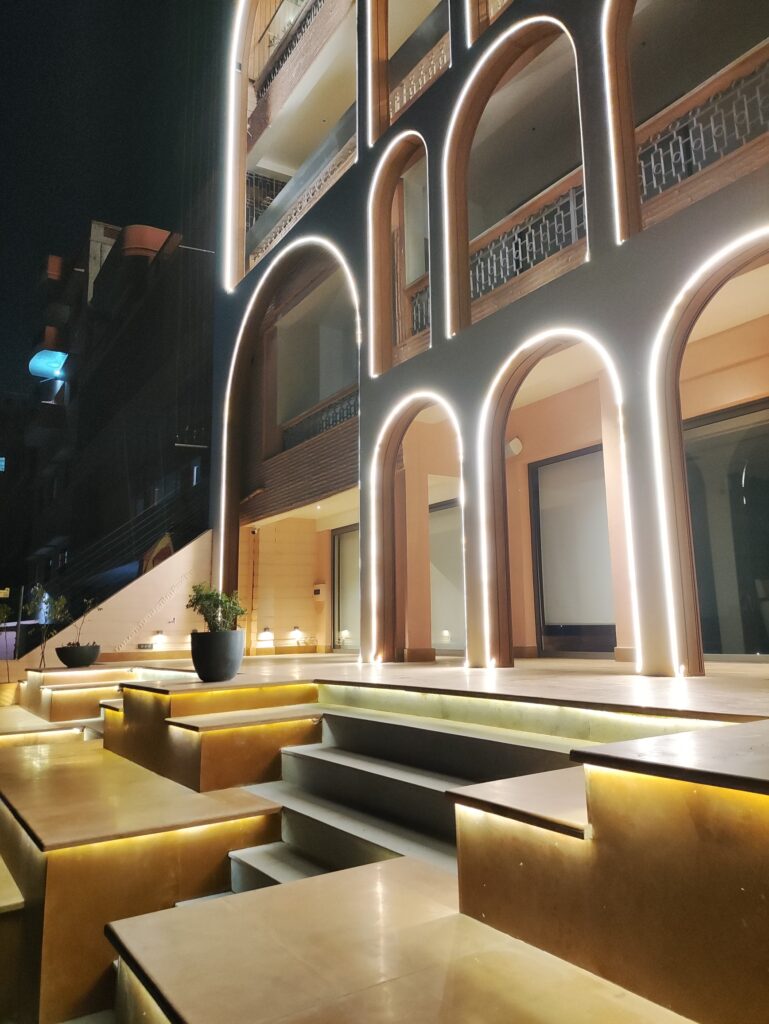
Ekaanta brings evidence-informed nutrition, slow cuisine, yoga and mindful cooking into one coordinated approach. Each element supports the personalised wellness journey rather than operating as a separate activity.
Integrated & Personalised
Nutrition & Wellness Team
Ekaanta, Haridwar
Individual context, health goals and programme needs shape the nutritional guidance.
Seasonal ingredients, thoughtful combinations and cooking methods designed around nourishment.
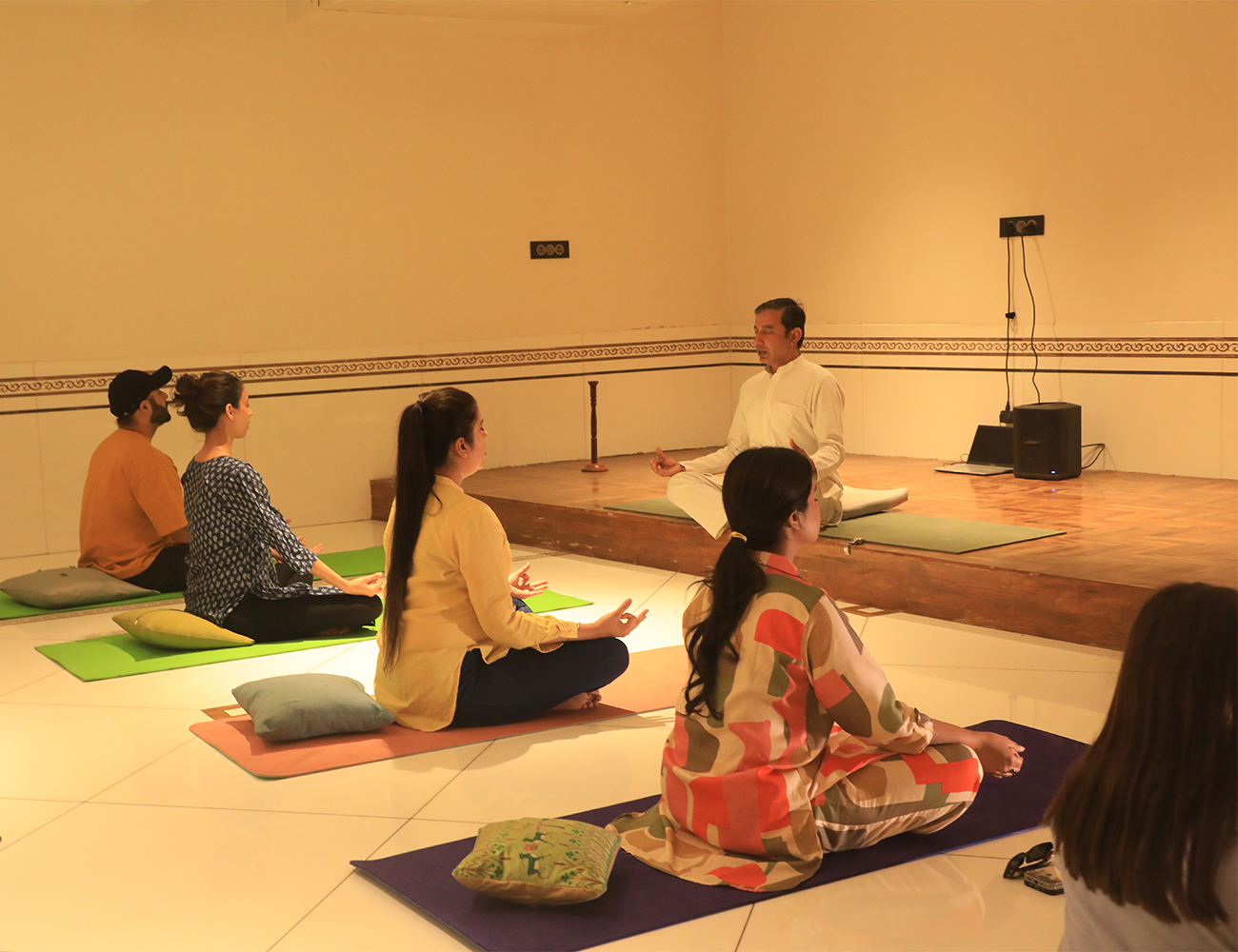
Movement, breath and awareness practices adapted to the guest and the rhythm of the stay.
Mindful cooking sessions that turn everyday food preparation into a practical home practice.
Ekaanta’s holistic health approach recognises the relationship between food, movement, rest, attention and the wider environment. Nutritional guidance, culinary planning, yoga and mindfulness are therefore considered together rather than delivered in isolation.
For retreat guests, these elements are coordinated with the wider wellness programme. Meals can be adjusted to the programme phase, movement can be adapted to individual capacity and practical lessons are designed to remain useful after departure.
This approach supports personalisation without making exaggerated promises. It is intended to complement appropriate medical care, not replace diagnosis or treatment by a qualified clinician.
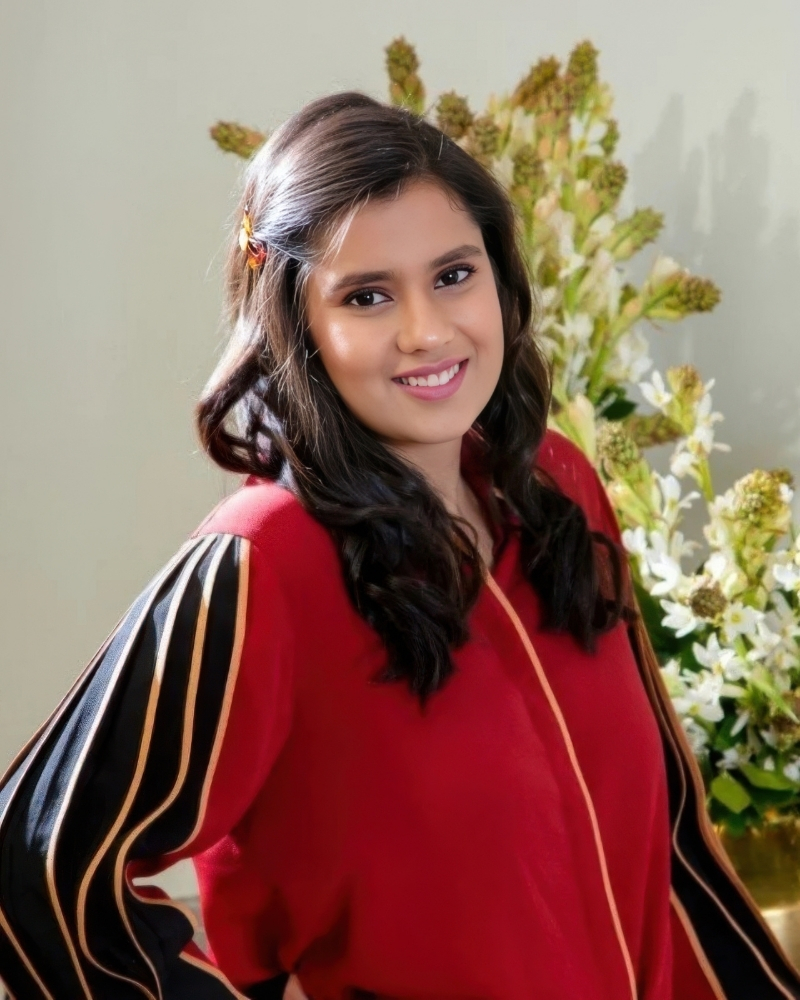
Manvi’s professional journey began in culinary and pastry arts before moving into nutrition and dietetics. Her subsequent work has included clinical nutrition, public health and research, giving her a perspective that connects what is scientifically appropriate with what is practical and enjoyable on the plate.
She completed a Master of Public Health at Boston University. Massachusetts General Hospital’s Diabetes Research Center lists her as a former Clinical Research Coordinator who worked under Dr Aaron Leong. Her professional biography also records work across nutrition counselling, cardiac rehabilitation and the development of evidence-informed wellness programmes.
At Ekaanta, her role focuses on integrating nutrition guidance with the property’s wider approach to Ayurveda, culinary care and sustainable health practices.
Clinical nutrition background
Boston University
Former MGH research coordinator
Food, pastry and nutrition
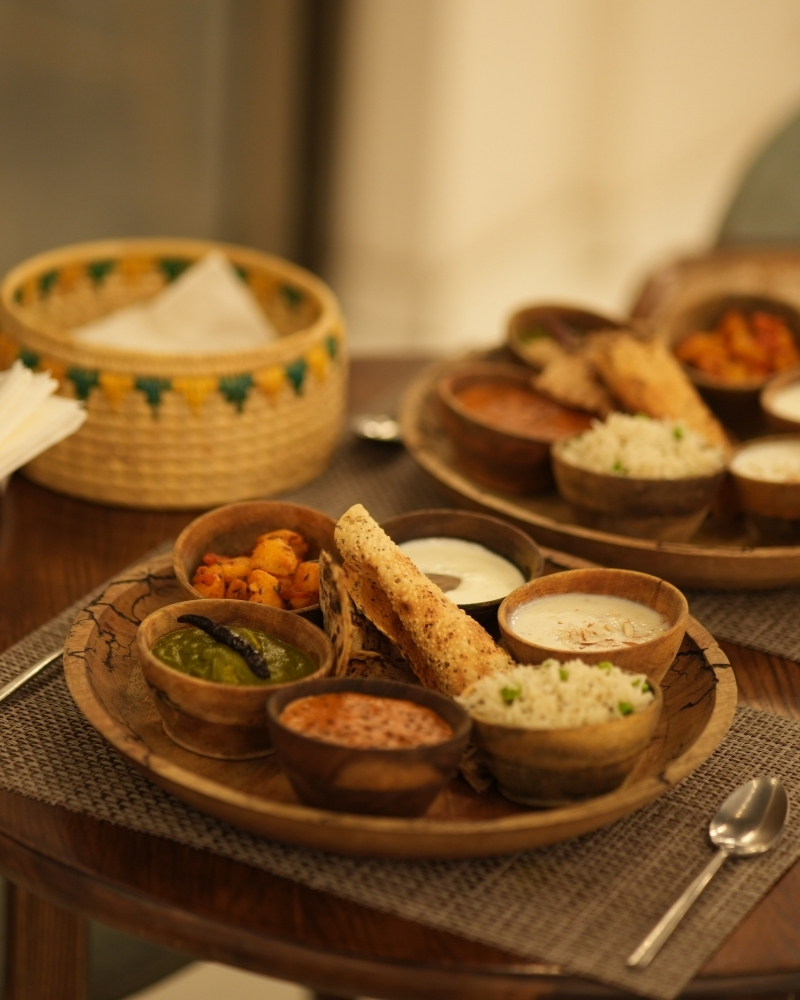
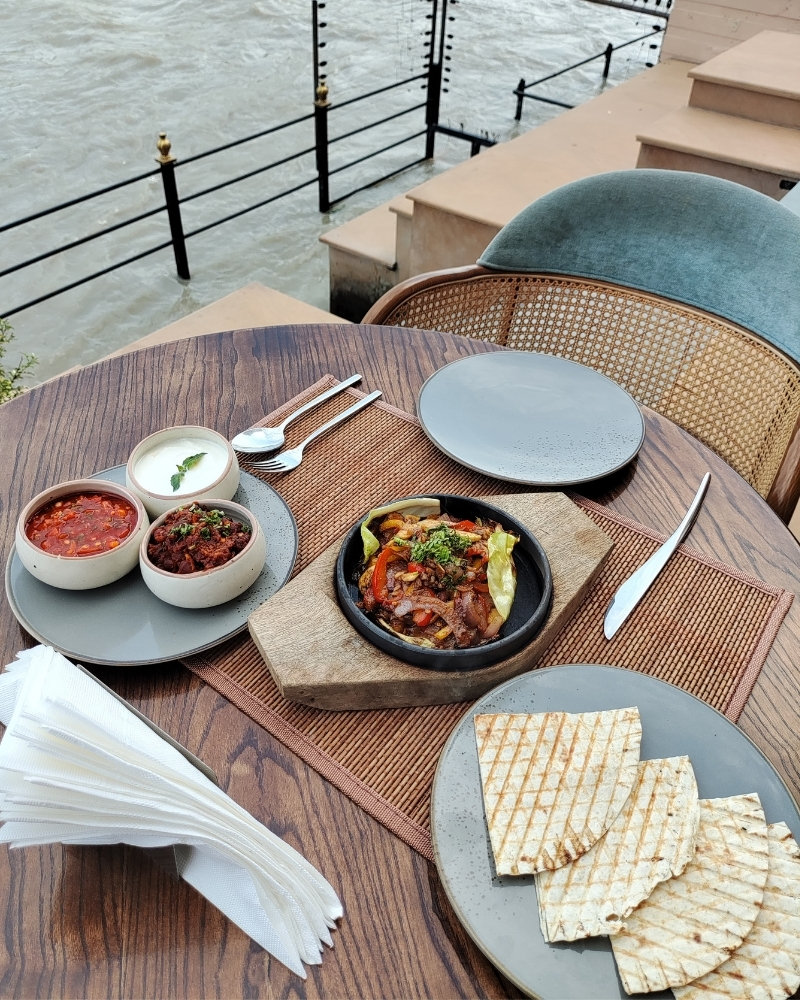
Ekaanta’s culinary philosophy prioritises seasonal and locally available ingredients. Produce, spices and cooking methods are selected with attention to the guest experience and the nutritional purpose of the meal.
For retreat guests, the nutrition and culinary teams work together so that meals complement the individual programme. The goal is not deprivation or performative “health food”. It is balanced nourishment that remains satisfying, culturally grounded and realistic.
Menus respond to the produce available at the time of the stay.
Ingredients from the region are prioritised when suitable and available.
Meal composition is considered alongside programme goals and guest needs.
Meals create space to slow down, notice and reconnect with appetite and satiety.
Modern routines often involve long periods of sitting and repetitive movement. Ekaanta’s yoga sessions use posture, breath and mindful attention to help guests explore mobility, stability and relaxation with greater awareness.
Sessions can include gentle asana, Pranayama and restorative practices. The intensity should be adapted to the individual’s capacity, health status and programme rather than treated as a performance target.
Guided postures that support mobility, balance and body awareness without forcing range or intensity.
Structured breathing practices introduced carefully and adapted where medical conditions require caution.
Restorative and meditative practices that create a deliberate pause within the daily programme.
The teaching kitchen turns nutritional ideas into something guests can actually repeat at home. Sessions focus on preparing food with attention, understanding ingredients and building confidence with straightforward techniques.
Participants may begin with a brief mindfulness exercise before cooking, then use sight, touch, aroma and taste to stay connected to the process. The purpose is not culinary perfection. It is to develop a more deliberate relationship with preparing and eating food.
Arrive, settle and bring attention to the task.
Understand the ingredients, textures and cooking method.
Practise techniques that are useful outside the retreat.
Slow down and notice flavour, appetite and satisfaction.
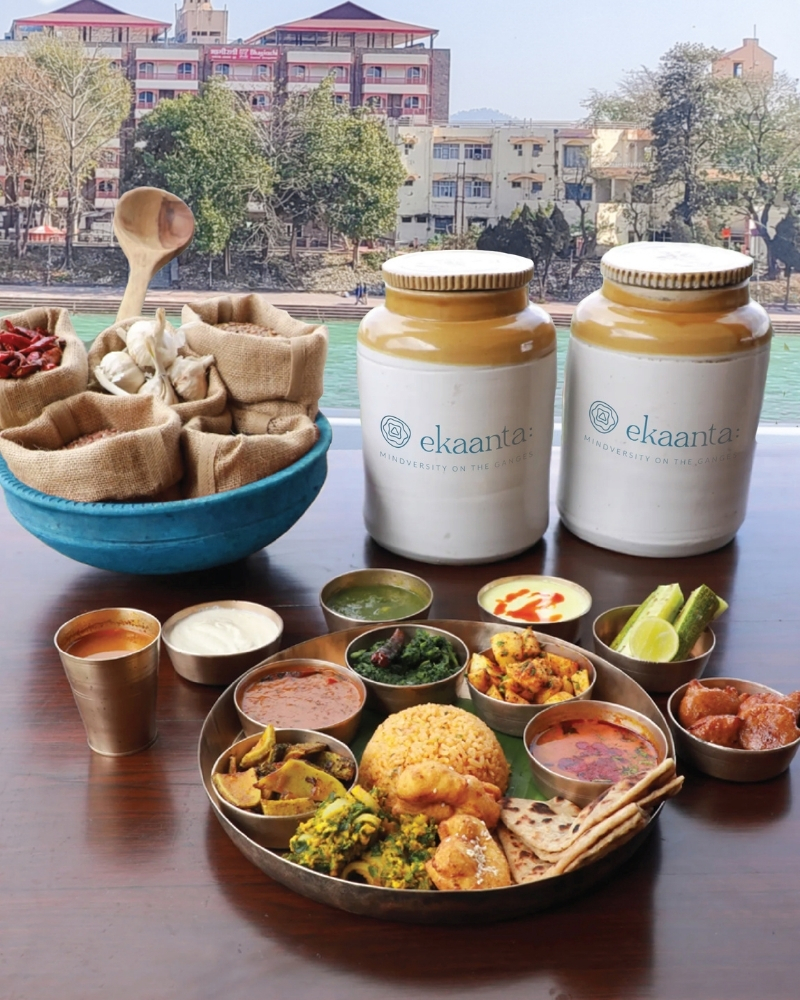
Explore Ekaanta’s personalised programmes or speak with the wellness team about the approach most relevant to your goals.